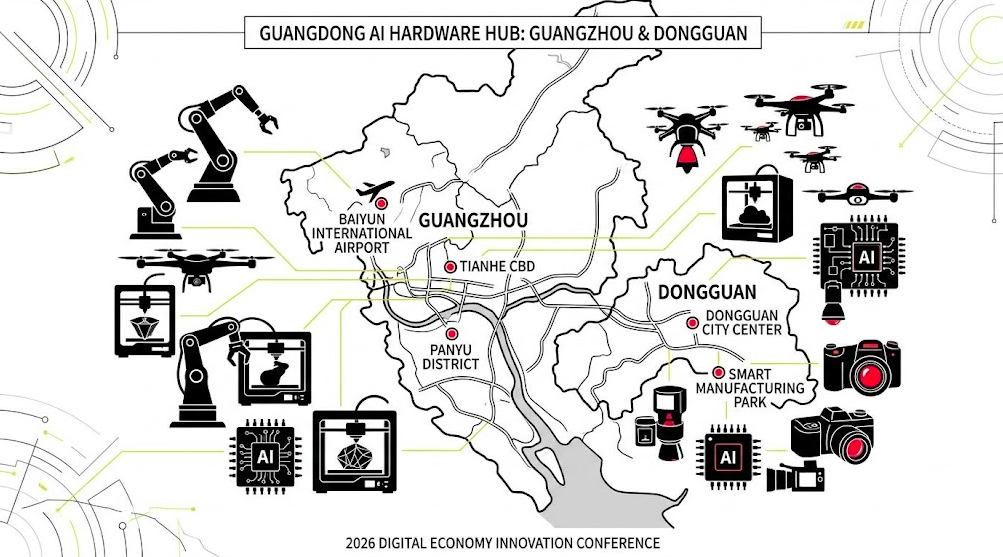
In a significant move, China has incorporated artificial intelligence (AI) into its latest five-year economic plan, establishing AI as a central component of the country's industrial strategy. The plan outlines the integration of AI across various sectors such as manufacturing, healthcare, and education, signaling China's ambition to enhance productivity and competitiveness against the U.S. This shift highlights China's view of AI as a critical national infrastructure rather than a niche industry, intensifying global competition across different layers of the technology stack. For companies worldwide, this means facing increased competition from China, backed by state support, in areas ranging from open-source models to industrial robotics and advanced networks.
The United States is also making strategic moves in the AI realm, as the Trump administration is formulating stricter regulations for civilian AI contracts to ensure vendors allow for "any lawful" use of their models. This shift reflects a broader debate on the control and deployment of AI systems, particularly in government and defense contexts. The policy development underscores the importance of government procurement in shaping market standards and influencing the evolution of AI usage rules. Companies vying for government contracts may need to adjust their terms to align with the new guidelines, potentially reshaping the landscape of federal AI work.
Meanwhile, the technology landscape continues to evolve rapidly, with AI becoming a critical battleground in consumer tech. Samsung, for instance, is ramping up its AI partnerships to enhance the AI capabilities of its Galaxy devices and outpace competitors like Apple. The push for multi-model AI strategies and advanced AI-native robotics startups is transforming industries, particularly in countries with strong manufacturing bases like Japan. These developments are driving the integration of AI into various sectors, emphasizing the shift from chatbots to practical applications in real-world settings.
The global tech industry is witnessing a surge in investments and innovations, with startups securing massive funding rounds, such as European AI infrastructure startup Nscale raising $2 billion in Series C funding. These investments underscore the growing importance of AI infrastructure, including power, chips, and data centers, in meeting the increasing demand from cloud providers, enterprises, and startups. As AI becomes an integral part of commerce, security, and hardware, the focus is shifting towards securing the necessary infrastructure to support the AI ecosystem.
In conclusion, the rapid advancements in AI technology are reshaping economies and industries worldwide, with China and the U.S. leading the way in integrating AI into their national strategies. As AI becomes a fundamental element of economic growth and competitiveness, countries and companies are navigating the complexities of AI regulations, infrastructure development, and strategic partnerships to harness the full potential of this transformative technology.