Japan is accelerating plans to deploy autonomous humanoid robots, military artificial intelligence, and tactical targeting satellites, triggering sharp warnings from Beijing where memories of Tokyo's wartime invasion and brutal occupation remain unhealed.
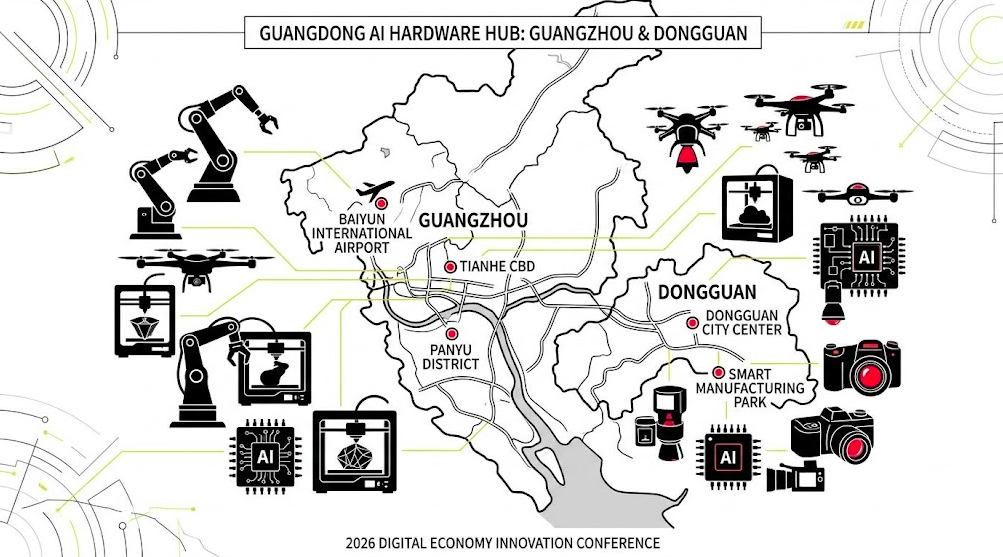
Japanese government officials confirmed that Tokyo has launched research into autonomous physical AI humanoids designed to offset severe recruitment shortages in the Japan Self-Defense Forces. Led by the Acquisition, Technology and Logistics Agency, the initiative aims to deploy robots for base defense, transport, and supply logistics, with future applications expanding into reconnaissance and emergency rescue.
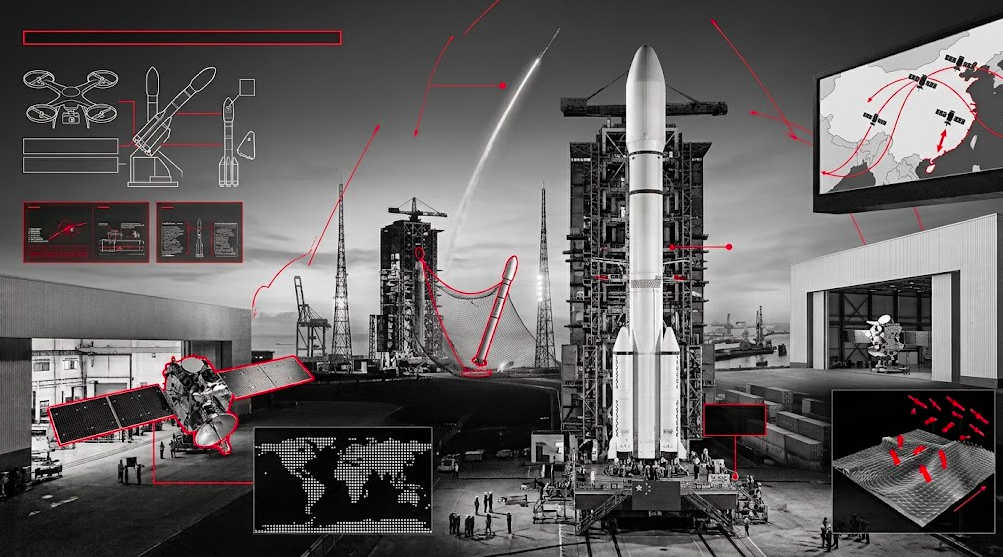
The push for robotic forces coincides with a broader military expansion ahead of Tokyo's planned revision of three fundamental national security documents late this year. Under its fiscal 2027 budget requests, the Japanese Ministry of Defense is seeking funds for AI decision-support systems for its Joint Operations Command and prototype tactical AI satellites capable of real-time space intelligence processing to guide precision missiles.
The rapid technological buildup has raised deep alarm across China, where government officials and security analysts view Tokyo's expanding military footprint with profound suspicion. Japan's imperial expansion and decade-long occupation of Chinese territory during the 1930s and 1940s left millions dead and established an enduring legacy of regional distrust. Chinese critics warn that Tokyo's deployment of advanced AI and autonomous systems systematically guts Japan's post-World War II pacifist constitution and threatens to ignite a dangerous regional arms race.
While Japanese defense planners insist that humanoid units are not currently intended for direct combat roles, officials acknowledge that autonomous military systems carry severe operational risks, including target misidentification, civilian casualties, and blurred legal accountability. Nevertheless, facing a projected 30 percent decline in Japan's eligible military recruitment pool over the next two decades, Tokyo increasingly views autonomous AI machines as an essential force multiplier.