Must read: Google wants to build AI data centres in space: What Project Suncatcher's satellite test means
What is Xiaomi’s Dark Factory?
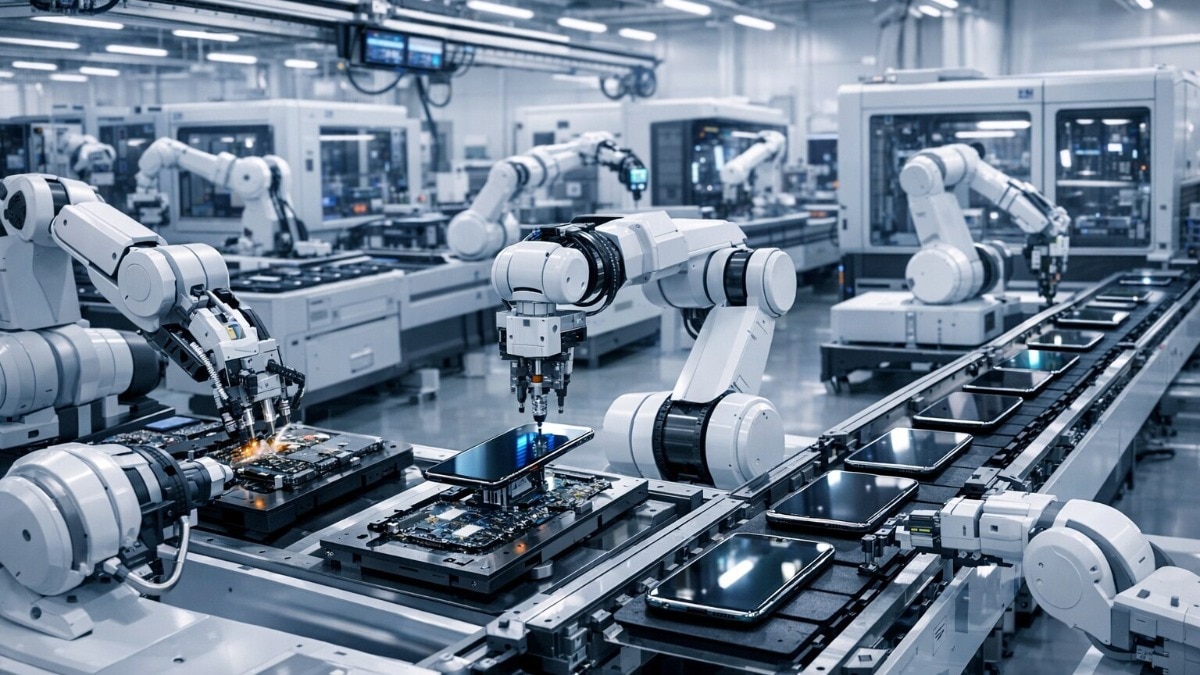
Xiaomi's Dark Factory is a fully automated smartphone manufacturing facility located in Changping, Beijing. But why is it called a “Dark Factory”? Well, the machines don't need lighting, heating, or air conditioning to operate, which means it not only cuts energy costs but also reduces carbon footprints. Xiaomi says that the factory operates 24/7 without human production workers on the shop floor.
Reportedly, the factory is capable of producing one smartphone every second if it runs continuously at that maximum capacity. The factory consists of robotics, AI, machine vision, sensors, and automated logistics, capable of managing different stages of smartphone production from assembly to packaging, reducing the need for human workers to remain physically present on the production floor for such routine tasks.
Must read: ‘AI won’t take your job anytime soon’: Why Nobel laureate sees only 5% of jobs changing in 10 years
The factory uses a technology called the Hyper Intelligent Manufacturing Platform (Hyper IMP) that acts as a central AI system for receiving real-time information from thousands of sensors across the factory. Xiaomi claims its factory can produce up to 10 million smartphones in a year. However, this is a calculation based on the factory's maximum annual capacity.
However, Xiaomi isn’t the only company investing in autonomous factories, as companies like Foxconn, Apple suppliers, and auto manufacturers are increasingly investing in fully autonomous facilities to tackle labor shortages and boost efficiency.
Goenka’s remarks highlight that India has so much to learn if it wants to move from traditional assembly lines to AI-driven smart manufacturing to stay globally competitive.