The competitive landscape of the Chinese artificial intelligence sector is undergoing a fundamental structural shift. As top-tier models like the newly released DeepSeek V4 move toward open-source accessibility, the industry’s focus is rapidly pivoting from basic model development to the underlying infrastructure and specialized data required to make AI agents functional in the real world.
Tencent Cloud catalyzed this transition earlier this week by open-sourcing "Cube Sandbox," a critical infrastructure layer designed to run AI agents. The tool, which provides a hardware-isolated execution environment, is compatible with the SDKs used by global leaders like OpenAI and the buzzy AI agent startup Manus. By offering an open-source sandbox that boasts sub-100 millisecond startup times, Tencent is positioning itself as the primary utility provider for the looming "Agentic" era, where AI performs complex tasks autonomously in protected environments.
This release arrives just as the launch of DeepSeek V4 has sent shockwaves through the market, driving a massive spike in token demand. While general-purpose models are becoming increasingly commoditized, the "open-sourcing" of world-class models like DeepSeek V4 is creating a massive secondary market for high-value, specialized data.
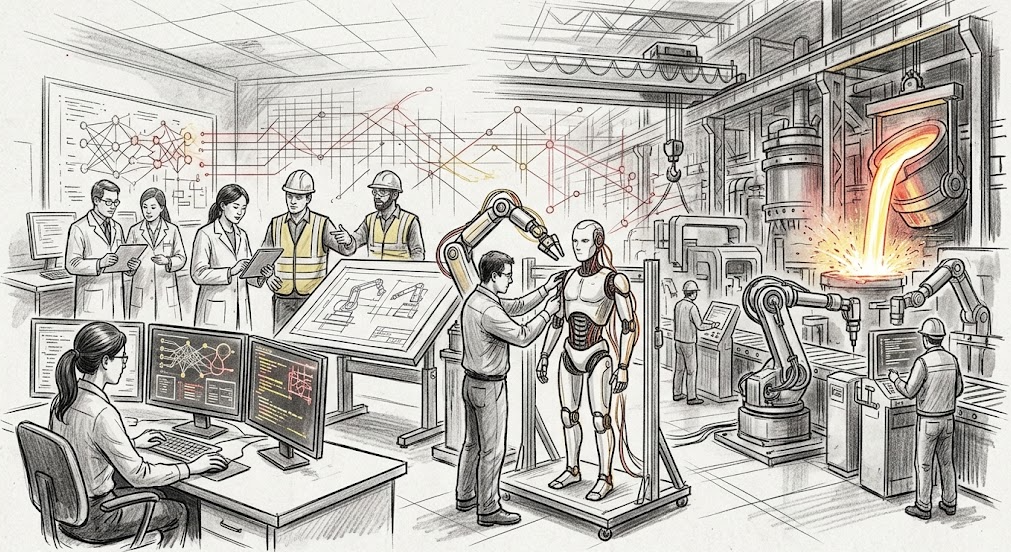
The financial results of Xunce Technology, a data-governance specialist, offer a clear look at this trend. Following the DeepSeek V4 release, Xunce reported a staggering 300% quarterly surge in Annual Recurring Revenue (ARR) related to its token calling services. This growth is driven by the industry’s pivot toward "scenario-specific tokens"—highly processed data for finance, manufacturing, and robotics that is far more efficient than the generic data used to train basic LLMs.
For global investors, the logic of the Chinese AI trade is being rewritten: as models become more ubiquitous through open-source initiatives, the scarcity value is shifting to the hardware-isolated environments provided by giants like Tencent and the high-conversion data provided by niche players. Xunce’s Token-related revenue now accounts for 5% of its total, with a target of 30% by year-end, signaling that the real money in Chinese AI is no longer in the models themselves, but in the specialized "fuel" and "engines" that keep them running.
This shift suggests that even as the U.S. continues to restrict high-end silicon exports to China, Chinese firms are successfully building an alternative ecosystem centered on efficiency, open-source leverage, and deep vertical integration. By standardizing the "sandbox" and the "token," Chinese tech leaders are ensuring that when the AI application wave finally hits, they own the pipes and the water.