
While the definition of what makes a great American novel is ever-changing, there has always been a group of books that define the country's best, and in the past decade the deck has been stacked. With books most often associated with the label of the Great American novel being compelling and based in the country, capturing something essential about the state of society, history, or values that makes them uniquely American. Traditionally, books like The Great Gatsby and Moby Dick are known as the storied Great American novels, while others like Beloved by Toni Morrison is a more current option.
Over the last decade, American fiction has shifted and evolved to be less about having a uniquely country-focused identity, and more about resonating with the values, societal issues, and general contradictions that come with being an American. Many of the recent era's most acclaimed works deal with a range of topics, going from systemic racism and inequality to technology and how it relates to one's identity. Combining intimate personal stories with broader examinations of the forces shaping modern life, the Great American novel has never been more diverse or significant than it is today, reaching far beyond the traditional scope.
10
Demon Copperhead by Barbara Kingsolver
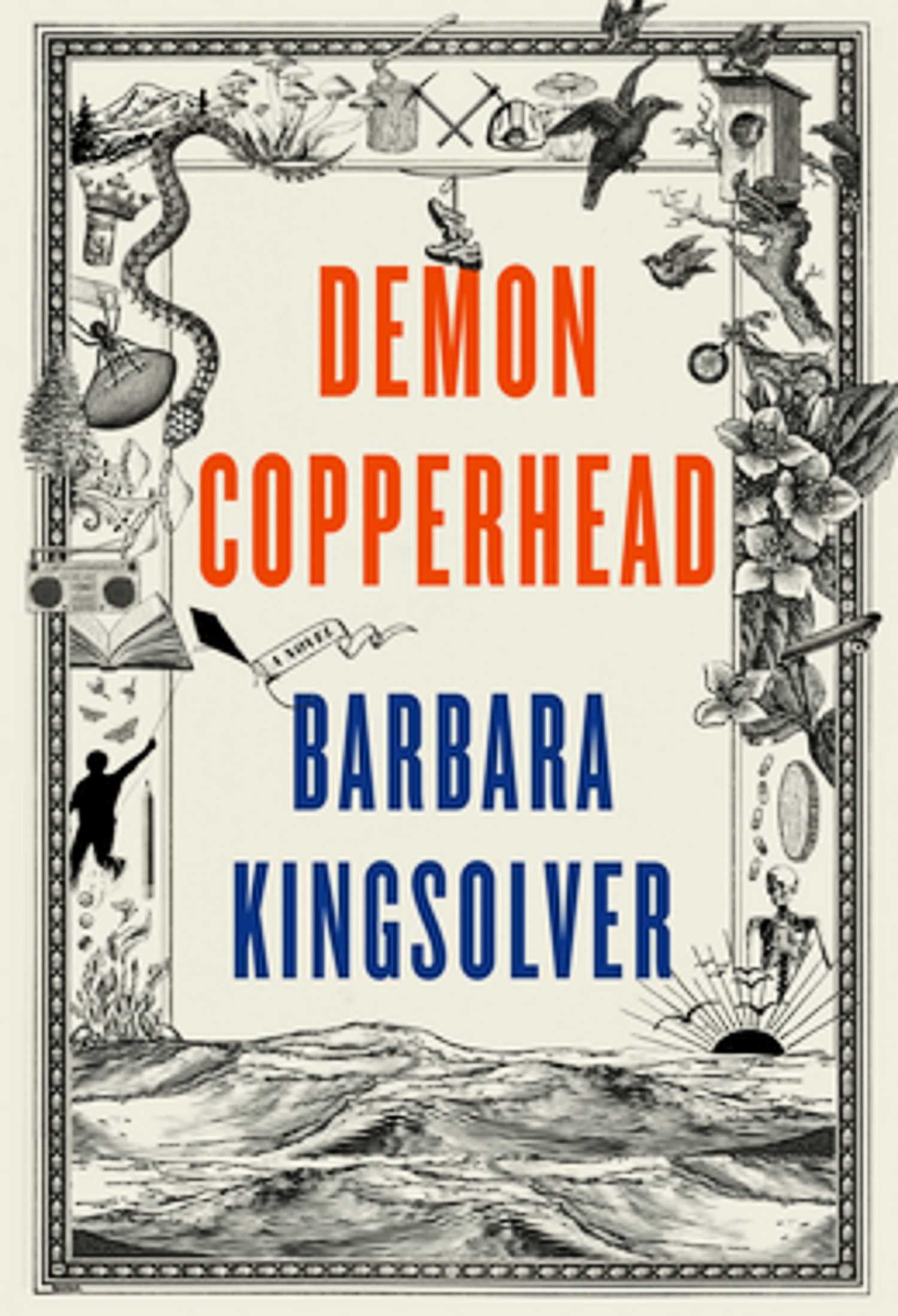
Demon Copperhead by Barbara Kingsolver, which was published in 2022, follows Damon Fields, a boy growing up in southern Appalachia who's unfortunate nickname, Demon, follows him through some of the intense moments of his life. Navigating poverty, foster care, and addiction, the novel was inspired by the Dickens classic David Copperfield, reimagining the classic coming-of-age story in contemporary America. Confronting the opioid crisis and neglect in rural communities, Demon Copperhead is an unflinching examination of American life through the lens of the most overlooked population in the nation. Having won a Pulitzer, the novel is widely recognized as a masterpiece.
9
Yellowface by R.F. Kuang
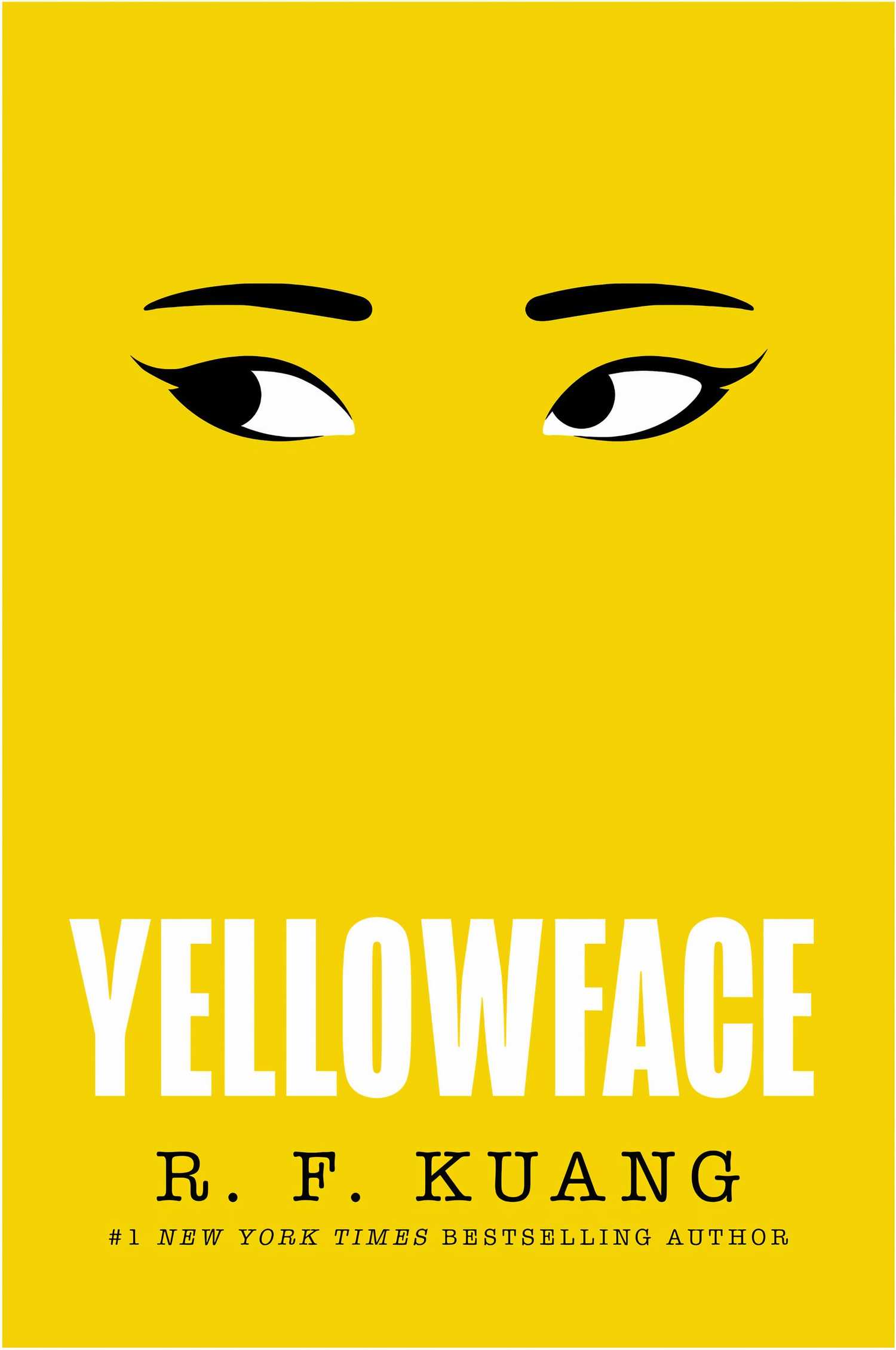
R.F. Kuang's 2023 novel, Yellowface, focuses on June Hayward, a struggling novelist who steals the unpublished manuscript of her Chinese American friend Athena Liu after her death and publishes it as her own. Kuang, a Chinese American, delves into the most unlikable parts of June's psyche as she moves through the narrative, seeing the author's deception become increasingly more public with every page. Through its satirical premise, Yellowface examines cultural appropriation and questions of identity in a way that allows readers to see different sides of the issues. A bestseller, Kuang's novel gives a modern view of race and identity.
8
The Candy House by Jennifer Egan
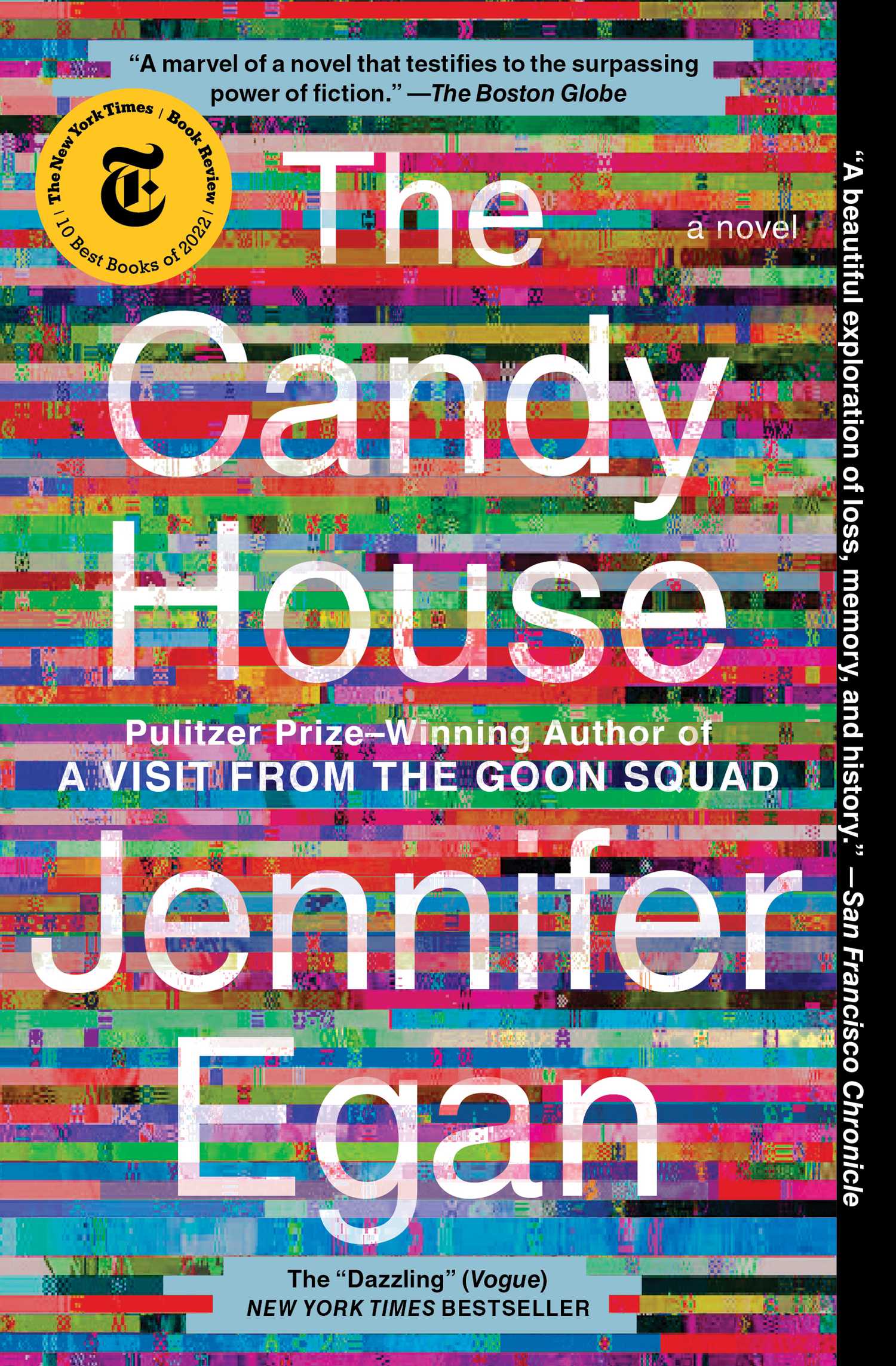
A companion to her most successful novel, A Visit from the Goon Squad, Jennifer Egan's follow-up, The Candy House, was published in 2022. Revolving around tech entrepreneur Bix Bouton, the novel explores a revolutionary platform that allows users to share memories, which alters human connection entirely. Told through an interconnected network of characters, The Candy House explores the consequences of hyper-connection in today's world. An ambitious examination of technology, the novel is able to dive deep into the conversation without making a case for either side of the coin. The Candy House deeply engages with American life while remaining experimental.
7
Crossroads by Jonathan Franzen

Set in suburban Illinois in the 1970s, Jonathan Franzen's Crossroads follows the Hildebrandt family as each member confronts personal crisis in a different way. Exploring themes of morality and spirituality, the family saga focuses on Russ Hildebrandt, a pastor struggling with his family and faith, and brings his wife and children into the narrative to paint a broader picture of the cultural moment. With conflicts of love, religion, and self-discovery at its core, Crossroads was published in 2021 and earned widespread acclaim for its detailed portrait of family life and cultural tension that shaped the US during a transformative time.
6
Tomorrow, and Tomorrow, and Tomorrow by Gabrielle Zevin
Gabrielle Zevin's Tomorrow, and Tomorrow, and Tomorrow follows the decades-long friendship between two video game designers, Sam Masur and Sadie Green. The novel begins in childhood, taking the characters well into their adulthood as they explore how collaboration and ambition shape their lives, which are both fueled by artistic collaboration. Although the background of the novel focuses on gaming and the creative work it takes to move forward in the industry, its core is more about human relationships and finding meaning in creativity. Published in 2023, Zevin's novel captures contemporary culture and explores a conversation on artistic expression in America.
5
Pachinko by Min Jin Lee
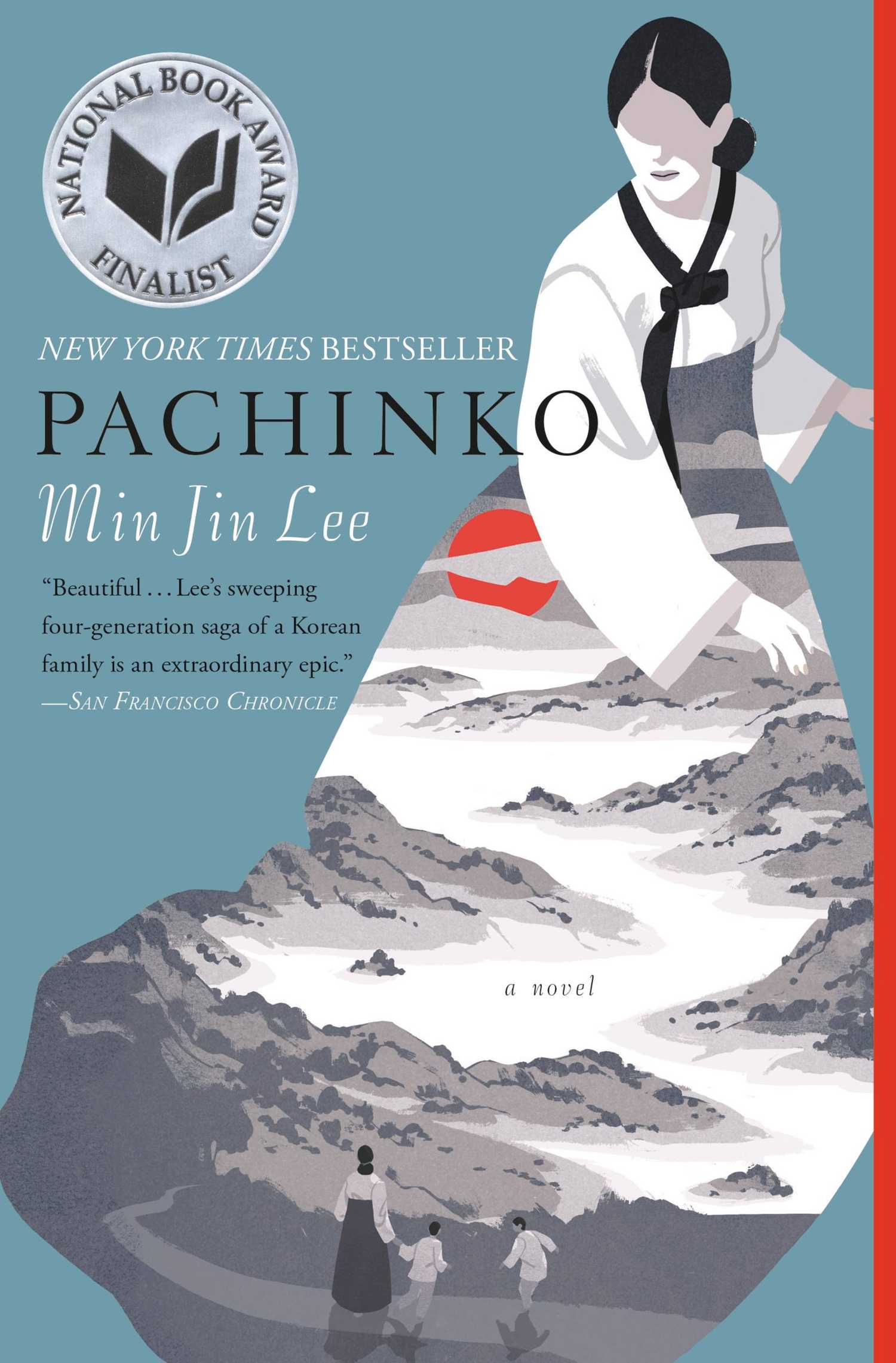
While Pachinko isn't a work that would traditionally feel like the Great American novel, Min Jin Lee, a Korean American author, does evoke some genuinely American themes in her work. Following a family through generations in Japan, the novel brings themes of immigration and family struggle to the forefront, and through a different lens than the traditional American story, is able to make bigger points. With questions of belonging, opportunity, and cultural identity in the forefront of the novel, Pachinko is able to use its sweeping historical scope and richly developed characters to is advantage, painting a more thorough picture.
4
The Nickel Boys by Colson Whitehead
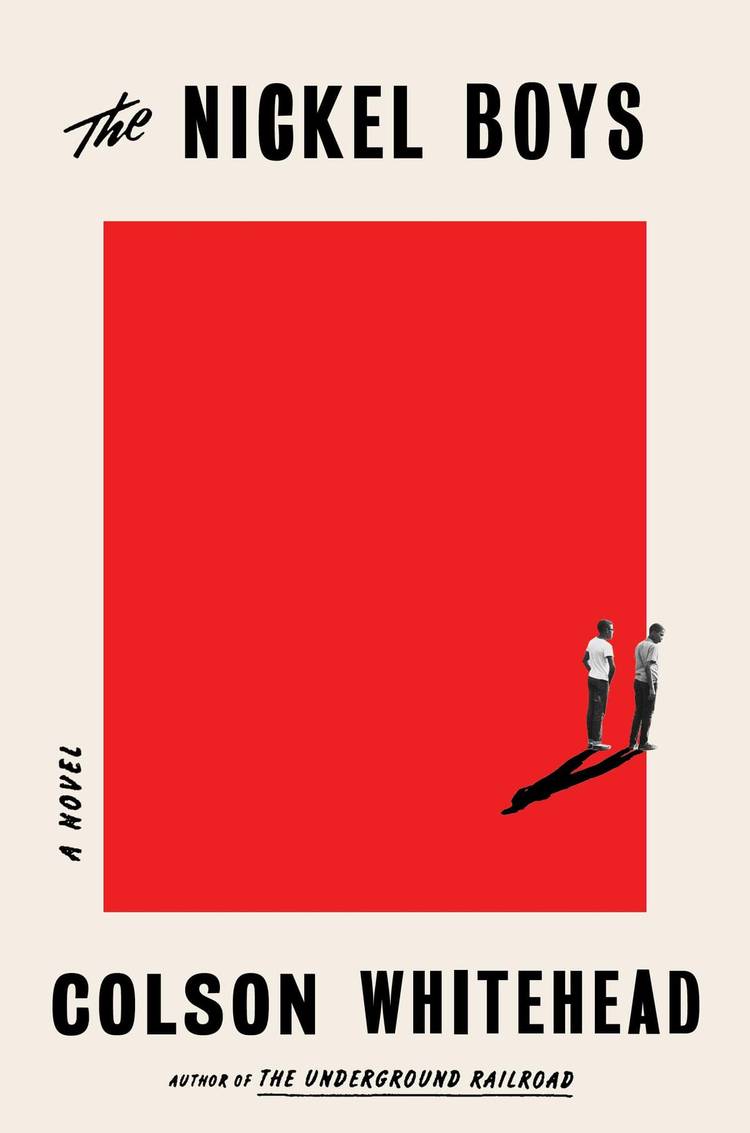
Published in 2019, The Nickel Boys by Colson Whitehead was inspired by the reality of the abuse happening at Dozier School for Boys in Florida. Following an idealistic Black teenager, Elwood Curtis, whose life is derailed when he's wrongfully sent to Nickel Academy, the novel sees a deep exploration of systemic violence, racism, and corruption throughout. As Elwood tries to maintain his belief in justice, Whitehead's novel examines the legacy of segregation and abuse in the US. A Pulitzer winner, The Nickel Boys is a highly acclaimed book from the past decade, exploring the wide gap between ideal and reality.
3
Sing, Unburied, Sing by Jesmyn Ward
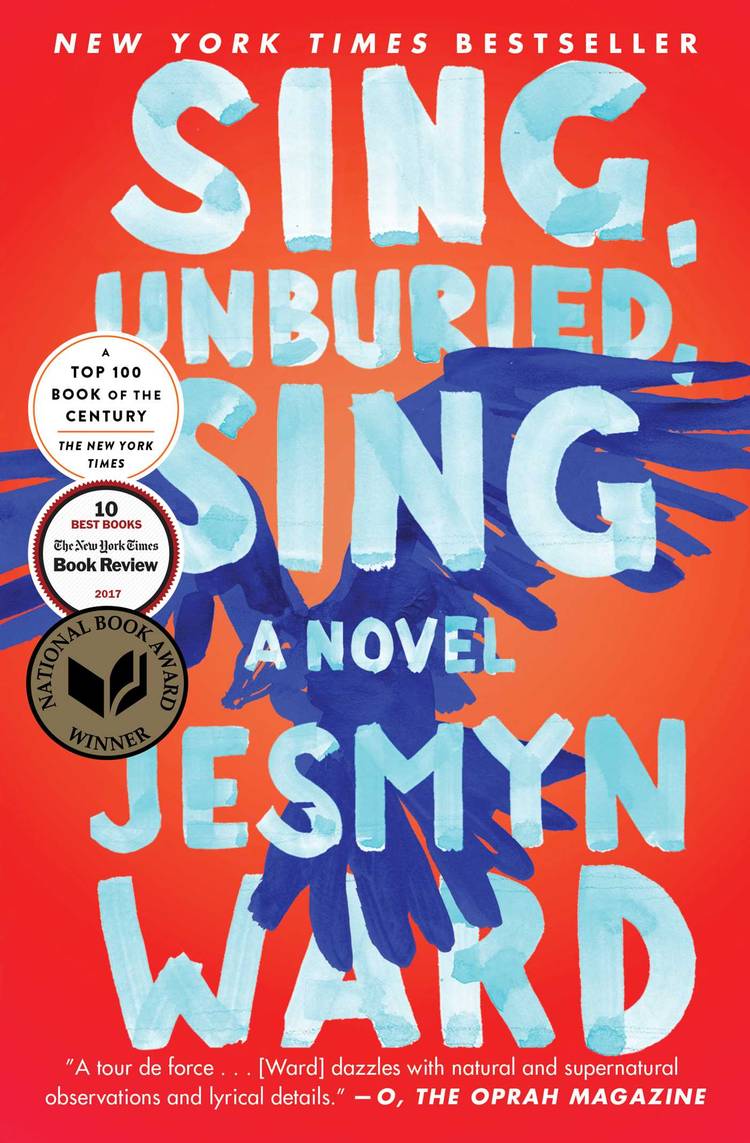
Jasmyn Ward’s Sing, Unburied, Sing, is a southern gothic novel that follows a family in the fictional town of Bois Sauvage, Mississippi. Leveraging the supernatural with one of its narrators, Richie, being dead, the novel looks at life after slavery in America through an intense and critical lens, bringing together several narratives to paint a sweeping picture of a specific era. With reviews likening it to Beloved and As I Lay Dying, Sing, Unburied, Sing is one of the most highly-praised novels of the past decade. Winning a National Book Award and critical praise, the novel is a modern classic.
2
James by Percival Everett
Percival Everett's James, which was published in 2024, reimagines Mark Twain's classic novel, The Adventures of Huckleberry Finn, from the perspective of Jim, the enslaved man who accompanies Huck Finn down the Mississippi. Shifting the narrative viewpoint, the novel is able to shed light on race, freedom, and American history as a whole. Engaging with one of the foundational texts of American literature and offering an entirely different interpretation, James is able to reinvent one of the country's most well known historical narratives. Few recent novels have sparked such discussion or earned such praise, with James receiving massive critical acclaim.
1
The Underground Railroad by Colson Whitehead
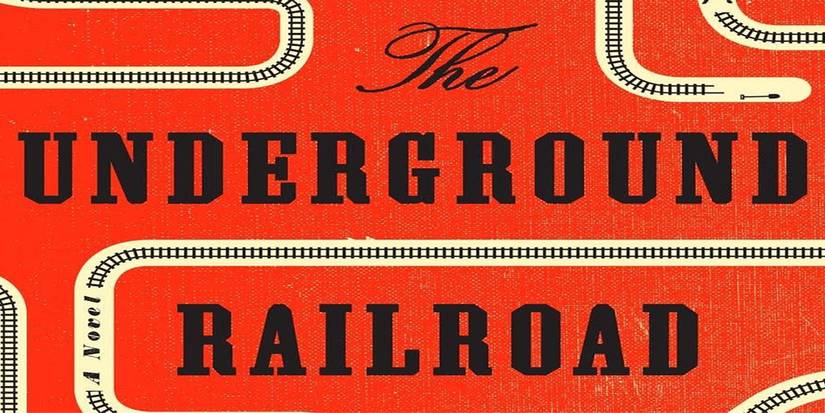
Published in 2016, Colson Whitehead's novel The Underground Railroad is a formative text of the past decade, reimagining the historical network that helped enslaved people escape to freedom as a traditional railroad running underneath the US. Following Cora as she flees slavery and travels through a series of states, the novel reveals different manifestations of racial oppression as it moves through its narrative. Combining historical fiction with a sense of magical realism, The Underground Railroad is a Pulitzer prize winning novel that has earned a massive amount of acclaim in the decade since its publication, continuing to inspire its readers.

